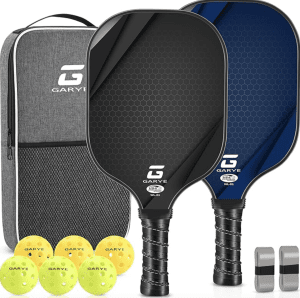
Pickleball has a fun and quirky origin story that many people might not know about. It started back in 1965 when three dads from Bainbridge Island, Washington, were trying to entertain their kids during summer break. They came up with a new game that combined elements of tennis, badminton, and ping pong. Talk about creativity!
In the early days, they used an old badminton court and improvised with whatever equipment they had. They fashioned paddles from plywood and used a perforated plastic ball. The game was simple yet engaging, and it quickly gained traction not just with the kids but also their parents.
As people started to catch on to the game, it spread like wildfire. By the 1970s, many communities across the U.S. began to build courts specifically for pickleball. It was during this time that the game's name was born, supposedly after the family dog, “Pickles.” The legend goes that the dog would chase after the ball, solidifying the connection with its playful spirit.
Fast forward to today, and pickleball has exploded in popularity across all age groups. It’s now one of the fastest-growing sports in America. With its easy-to-learn rules and social atmosphere, it’s not hard to see why more and more people are picking up paddles and joining the fun.
Growth of Popularity Over the Years
Pickleball has seen a remarkable surge in popularity over the years, transforming from a backyard game into a nationwide sensation. This sport, which combines elements of tennis, badminton, and ping-pong, started in 1965 but really began to catch on in the past couple of decades. More and more people are discovering its easy-to-learn nature, making it perfect for players of all ages.
In the early 2000s, casual players began forming local clubs, which helped spread the word. As communities embraced this fun activity, dedicated pickleball courts started popping up, making it easier for enthusiasts to play regularly. Friendly competitions and local tournaments also contributed to building a passionate player base.
By the 2010s, the rise of social media and online platforms played a pivotal role in sharing the joy of pickleball. Players started posting their matches, skills, and tips, which helped create a vibrant online community. Videos showcasing impressive rallies and quick tips made it even more appealing for beginners to join in on the fun.
Now, with endorsements from athletes and celebrities, pickleball is more mainstream than ever. It’s not just a sport; it’s a community where people connect, socialize, and stay active. Whether you’re playing for fun or diving into competitive tournaments, the growing popularity of pickleball is proof that this game truly has something for everyone!
Key Milestones in Pickleball's Development
Pickleball may not have the longest history, but it's packed with interesting milestones that have shaped the game we know today. Let’s take a look at some key moments that contributed to its rise.
It all began in 1965 when the game was created on Bainbridge Island, Washington. A few dads, looking for a way to keep their kids entertained during summer vacation, grabbed some old paddles and a perforated plastic ball. They set up a makeshift court and thus, pickleball was born! It combined elements of badminton, tennis, and table tennis, creating something entirely new and fun.
Fast forward to 1972, pickleball went public with its first official rules, thanks to the United States Amateur Pickleball Association (USAPA). This was a huge step in transforming a backyard game into a sport that could be played competitively. Soon after, the first pickleball tournament was held in 1976 in Washington, signaling the beginning of organized competitions.
The sport grew steadily through the 1980s, and in 1984, the first pickleball-specific accessories became available. This included paddles and balls designed just for the game, making it even more accessible for new players. By the mid-2000s, interest exploded, and more facilities started to dedicate spaces for pickleball courts.
Today, pickleball is played all over the world. It’s popular in schools, community centers, and even retirement communities. The establishment of the Professional Pickleball Association (PPA) and the Association of Pickleball Professionals (APP) has only fueled its growth. With an enthusiastic player base and increasing numbers of tournaments, pickleball is more than just a passing trend—it’s here to stay!
Pickleball Today and Its Future Trends
Pickleball is not just a passing trend; it’s become a mainstream sport embraced by players of all ages. Originally created as a family game back in the 1960s, it has quickly transformed into a competitive sport that fills local courts and big tournaments alike. What makes it so appealing? For starters, it’s easy to learn and provides a fun way to stay active. Whether you’re playing singles or doubles, you’re bound to have a good time.
Looking around today, you’ll notice pickleball courts popping up everywhere—from community centers to parks. The sport is gaining attention worldwide, with more players joining in every day. Beginners can pick up a paddle and jump right in, while seasoned players are honing their skills for tournaments. The sense of community is strong, and there’s always someone to play with, no matter your skill level.
As for the future, you can expect pickleball to continue to grow. With the rise of online platforms for learning and connecting, it’s easier than ever for newcomers to get involved. Many cities are also investing in permanent courts and facilities to accommodate growing demand. Plus, there’s increased interest from brands looking to create specialized gear, making it even more accessible to players.
Another trend to watch is the younger generation getting into the sport. Schools are starting to include pickleball in their physical education programs, introducing kids to the game early on. The more diverse the player base, the more exciting the future looks. It’s not just for retirees anymore; everyone wants a piece of the action. With these trends in play, pickleball is set to keep growing, offering fun and fitness for years to come.